Shared workspaces, Personal Computer for Windows, and Model Council

Projects: shared workspaces with persistent files, memory, and connectors
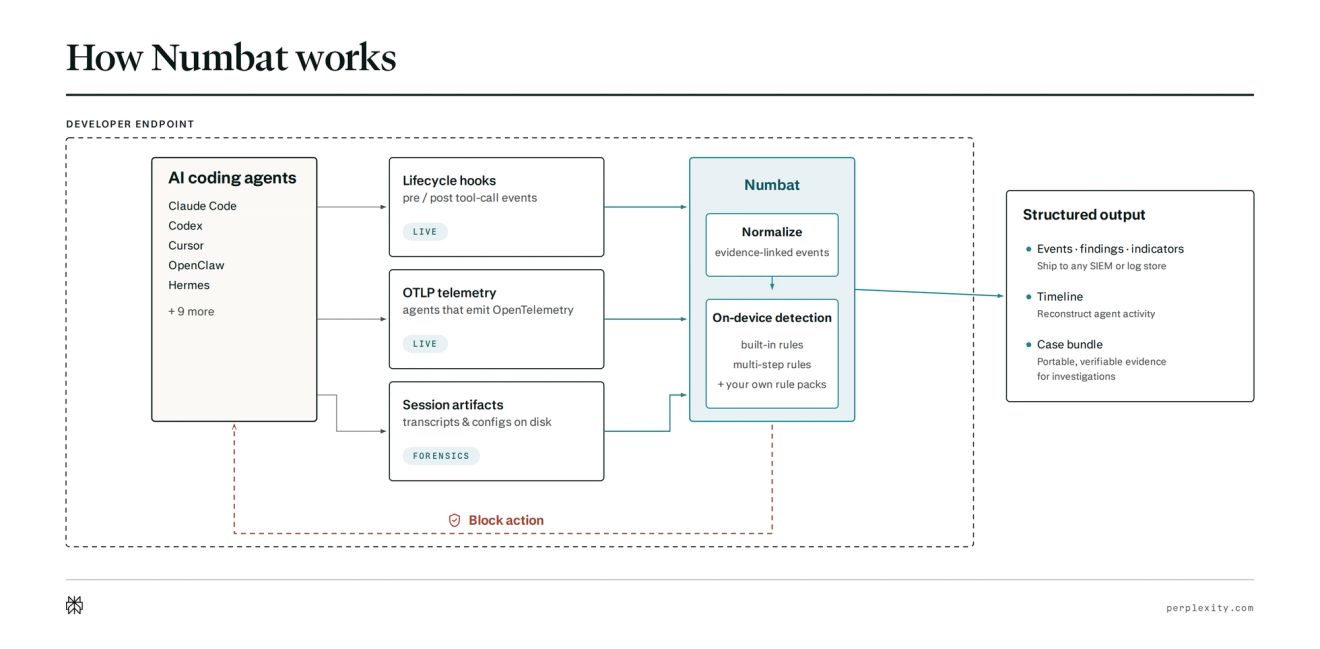
Projects are hubs for long-running work in a shared Computer workspace. Projects have a persistent file system where humans and agents edit the same files, a self-improving memory via Brain that carry context across tasks, and connectors you can scope to specific accounts per project. Invite teammates to work from the same sources, artifacts, and history. Projects are the evolution of Spaces, and every existing Space is migrated automatically.
Use Projects to:
- Build every task off the same files: Save launch plans, research, and source files in a project so every session builds on the same context.
- Let Brain carry context across tasks: Turn on Brain and let it study project files and sessions between tasks, so the next task starts from everything learned from the previous one.
- Share a workspace without pooling private data: Invite collaborators into a project to work securely from the same files, artifacts, and history. Personal memory and connector accounts stay scoped to each individual.
- Kick off or continue project work from Slack or Teams: Link a Slack or Teams channel to a project with /project, then start tasks in with the Computer app in the channel with full project context.
Learn more: Spaces are now Projects · Projects product page
Personal Computer for Windows: local files, background sessions, and desktop workflows
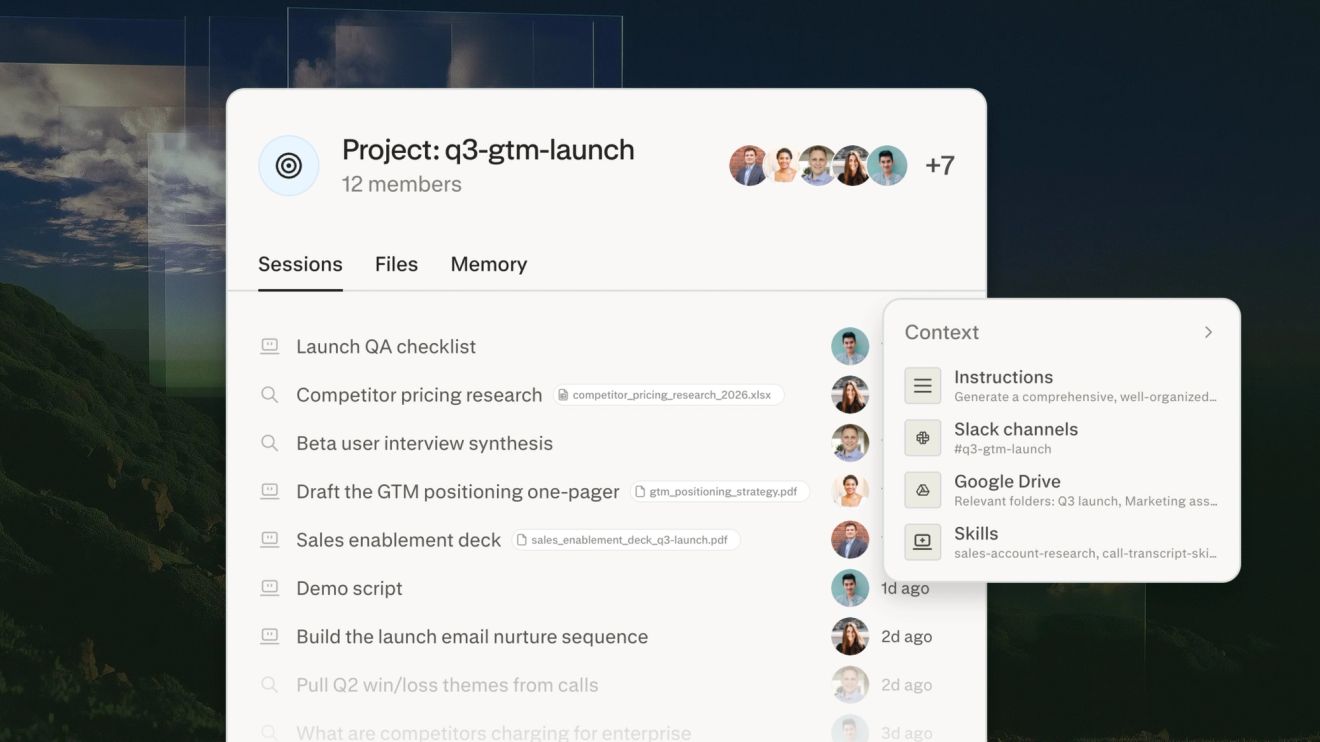
Personal Computer is now available in the Perplexity app for Windows, bringing Computer's web, connected-app, coding, and local-file workflows to the desktop. Read and edit files where they live, keep sessions running in the background, and pick up work between web and desktop.
Try Personal Computer for Windows to:
- Turn a folder of files into a brief: “Read every report in my Q3 research folder and turn the key findings into a concise one-page brief.”
- Blend local files with live web research: “Open my expenses spreadsheet and cross-reference each vendor against their current public pricing.”
- Edit and save documents in place: “Update the intro of my proposal doc to reflect the latest pricing and save it back where it lives.”
Learn more: Personal Computer on Windows · Computer for Windows product page
Model Council in Computer: multi-model analysis for high-stakes decisions
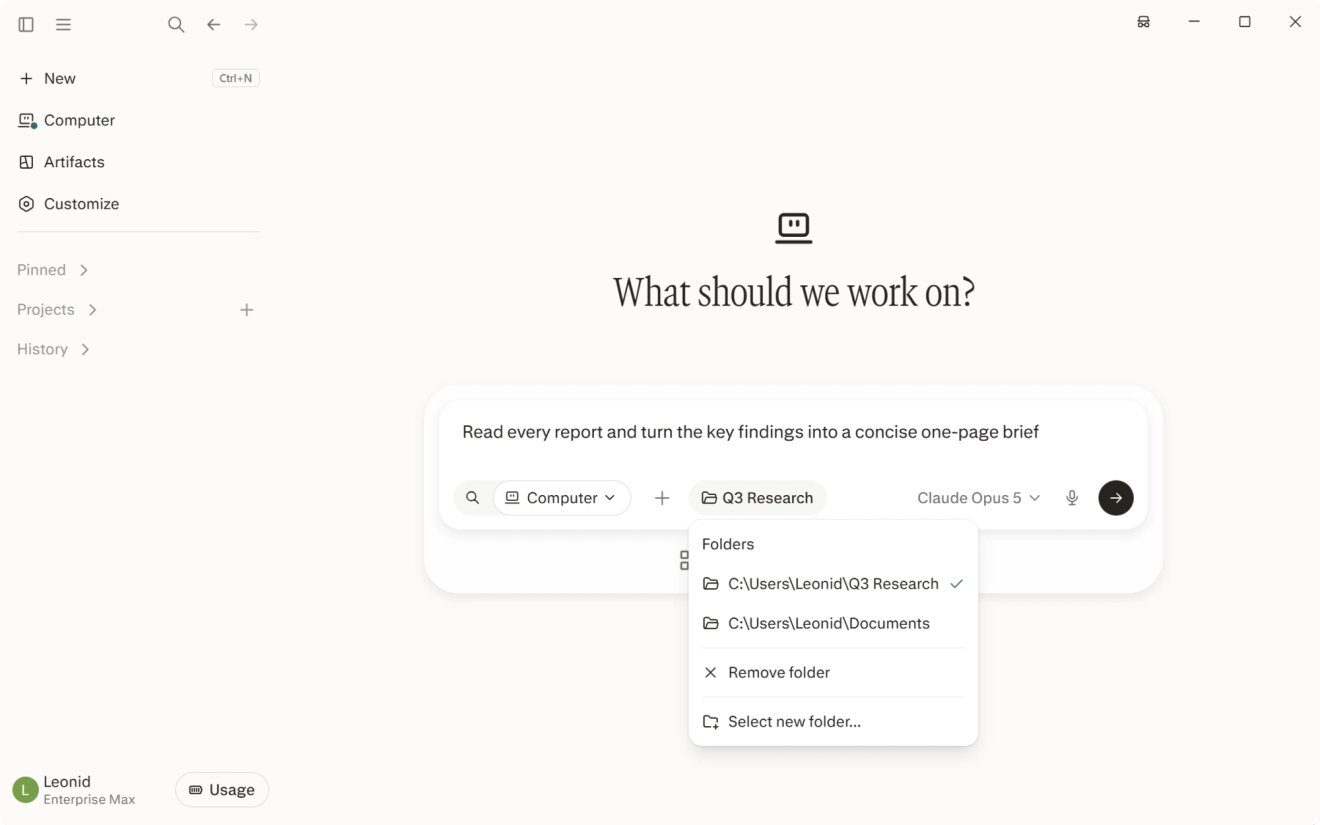
Model Council in Computer lets you build a board of top models for a single question. Pick two to eight models across OpenAI, Anthropic, Gemini, and open source, choose the analysis depth, and Computer runs each independently and synthesizes where they agree, disagree, and what each uniquely surfaces — then turns the result into reports, board decks, and other work-ready assets.
Try Model Council in Computer to:
- Stress-test a strategy decision: “Ask Claude Opus, ChatGPT, and Gemini Pro whether we should launch this feature in Q4 or Q1, and show me where they disagree.”
- Get balanced perspectives on a high-stakes call: “Should I buy or lease this car? Have three top models weigh in independently and surface any disagreements.”
- Turn multi-model analysis into a deliverable: “Have Opus, GPT, and Gemini each review this contract, then combine their notes into a board deck.”
Learn more: Model Council comes to Computer
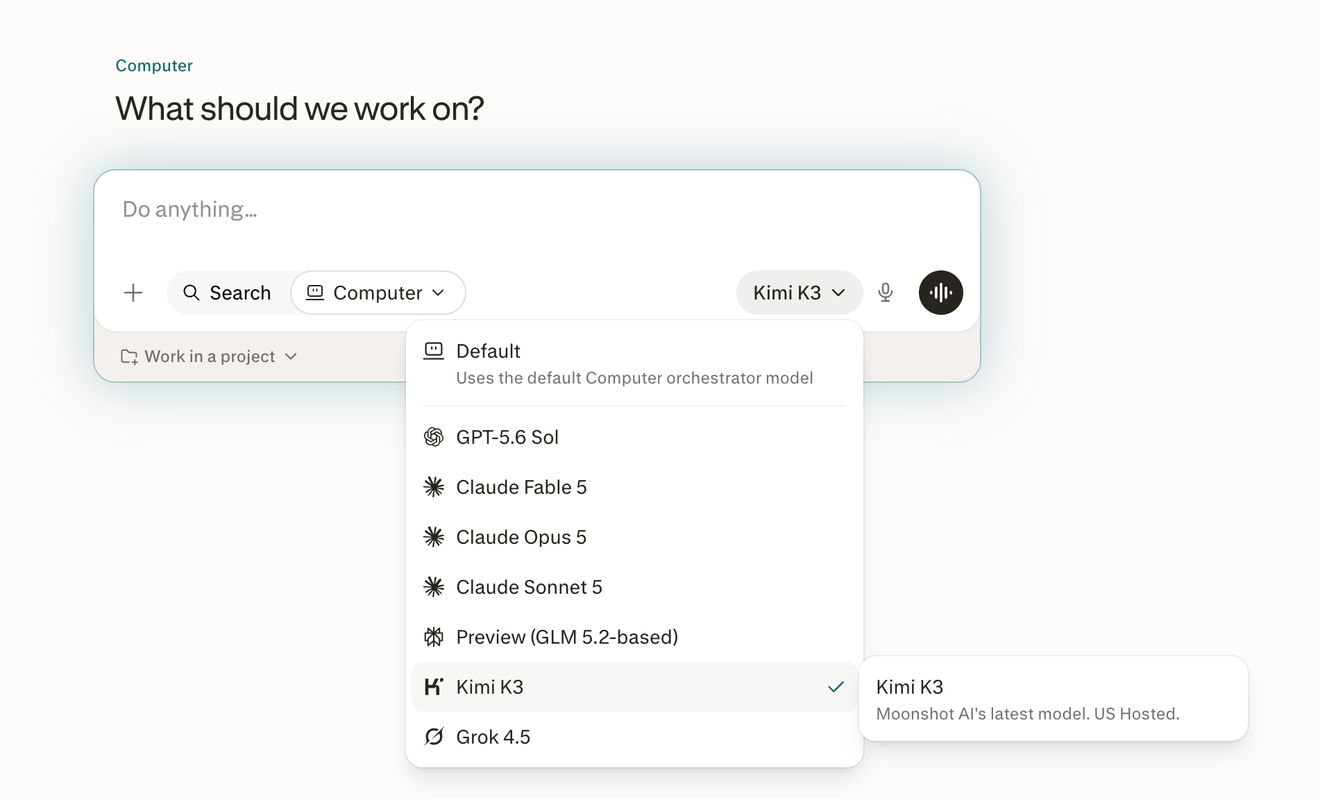
Kimi K3: US-hosted open-weight frontier model with 1M-token context
Kimi K3, the largest open-weight frontier model to date, is now available in Perplexity and Perplexity Computer for Pro and Max subscribers, hosted exclusively on US-based servers. Get a 2.8T-parameter mixture-of-experts model with a 1M-token context window and native vision, without data leaving US infrastructure.
Try Kimi K3 to:
- Reason across a million-token corpus: “Using Kimi K3, read every file in this codebase and explain how authentication flows end to end.”
- Compare open-weight against closed frontier models: “Ask Kimi K3, Claude Opus, and ChatGPT the same question about our data architecture and compare their answers.”
- Run coding and agentic tasks on US-hosted infra: “Use Kimi K3 to debug this Python service and open a PR with the fix.”
Learn more: Kimi K3 in Perplexity Gateway
Voice Mode: improved personalization and memory from the first word
Voice conversations on web and Computer now start with a surface-level understanding of who you are — profession, interests, and other context from your Perplexity personalization — so answers are already framed around your work, without re-explaining every time you speak.
Try voice on web or Computer to:
- Start with answers already framed around your work: “What are the biggest developments in my industry this week?”
- Follow up without re-explaining yourself: “Now compare that to what our top competitors are doing.”
- Get personalized answers hands-free: “Summarize today's news for me on my commute.”
Learn more: Manage what Perplexity remembers about you
Numbat: open-source security monitoring for AI coding agents
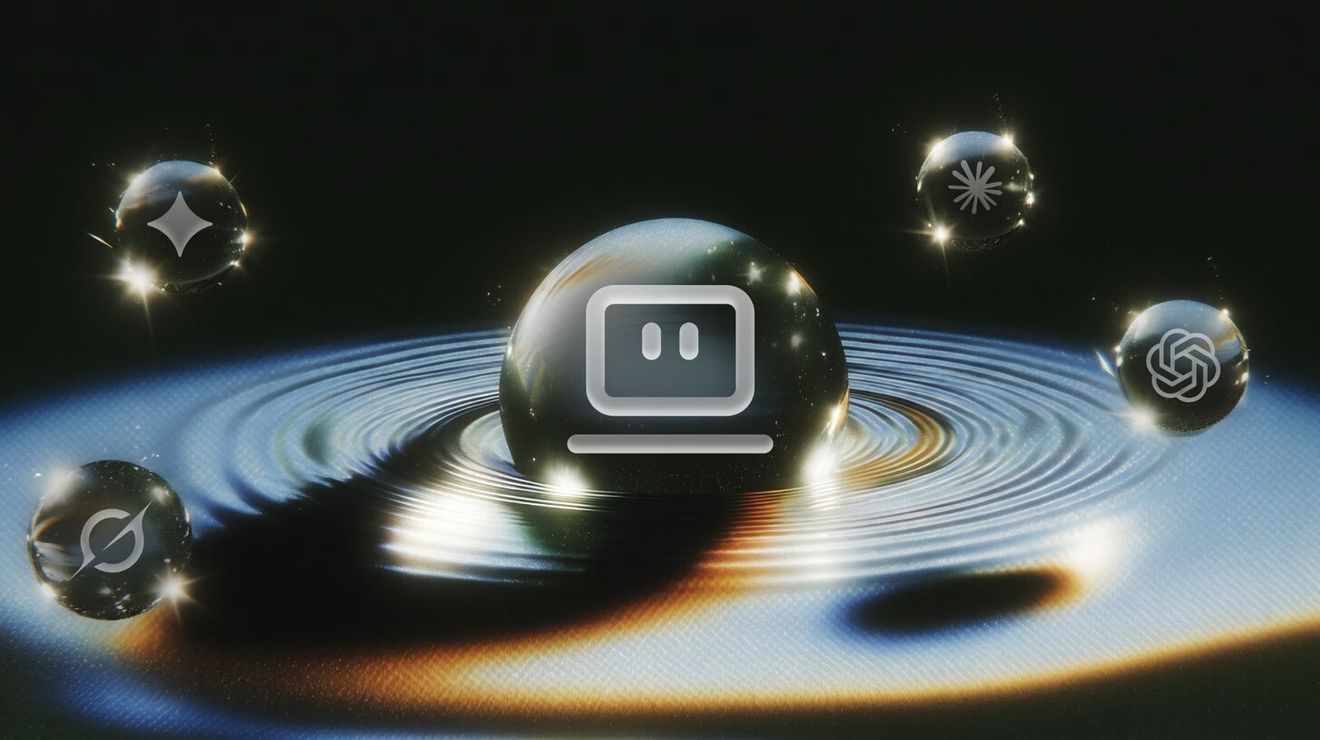
Numbat is a new open-source agent-detection and response layer from Perplexity that gives security teams live visibility into what AI coding agents do on endpoints, with the ability to block risky actions before they run. It ships as a single Go binary for macOS, Linux, and Windows and integrates directly with the leading agent harnesses.
Try Numbat to:
- Watch agents live on developer laptops: Get hook-based and OpenTelemetry-based telemetry for every action a coding agent takes.
- Block risky actions before they run: Stop network egress, sensitive file access, or shell commands on-device with CEL rules.
- Reconstruct an agent session after the fact: Rebuild a forensic timeline from on-disk artifacts, even without live telemetry running.
Learn more: Securing agents across Perplexity's client endpoints with Numbat